Ayurveda is one of the world’s oldest medical systems. Originating in India 5,000 years ago, it relies on a natural and holistic approach to physical, mental and emotional health. It is about deepening our relationship with ourselves, our communities, as well as the daily and seasonal rhythms of life. Ayurveda uses nutrition and lifestyle practices to support balance and maintain health. When your mind, body, and spirit are in harmony with the universe, you have good health.

Grateful for the opportunity to offer one of the March 2026 Sweetbay Talks: Ayurveda as a Self-Care Practice at the Sweetbay Wellbeing Studio in Gaithersburg, MD.
https://www.sweetbaymentalhealth.com/studio
We discussed how the practice of Ayurveda can be used to balance the doshas, as well as nourish and support the mind-body-spirit through daily rhythms and seasonal changes. Ayurveda uses mindful eating, herbal remedies and daily rituals for self-care to calm the nervous system.
Many thanks to Founder/Owner Tia Marie Brumsted for offering a warm inviting space to be in community.
Kripalu School of Ayurveda ~ (Student) Ayurvedic Health Counselor
An Ayurvedic Health Counselor (AHC) is a certified professional, using traditional Ayurvedic principles to serve in the area of prevention and health promotion with a focus on diet and lifestyle, daily routines (Dinacharya) and seasonal routines (Ritucharya) to promote balance and wellness.
- Recommendations may include food choices, daily routines, herbs and spices, natural oils, yoga, breathwork (pranayama) and meditation practices.
- Support is offered to educate and motivate the successful implementation of Ayurvedic principles into daily life for managing aspects such as stress, digestion, skin imbalances, and sleep.
*Disclaimer — the services provided by an Ayurvedic Health Counselor are educational and not intended to diagnose or treat disease.
Dinacharya (daily routine) is an Ayurvedic practice of establishing a daily self-care routine to calm the nervous system and energize the spirit.
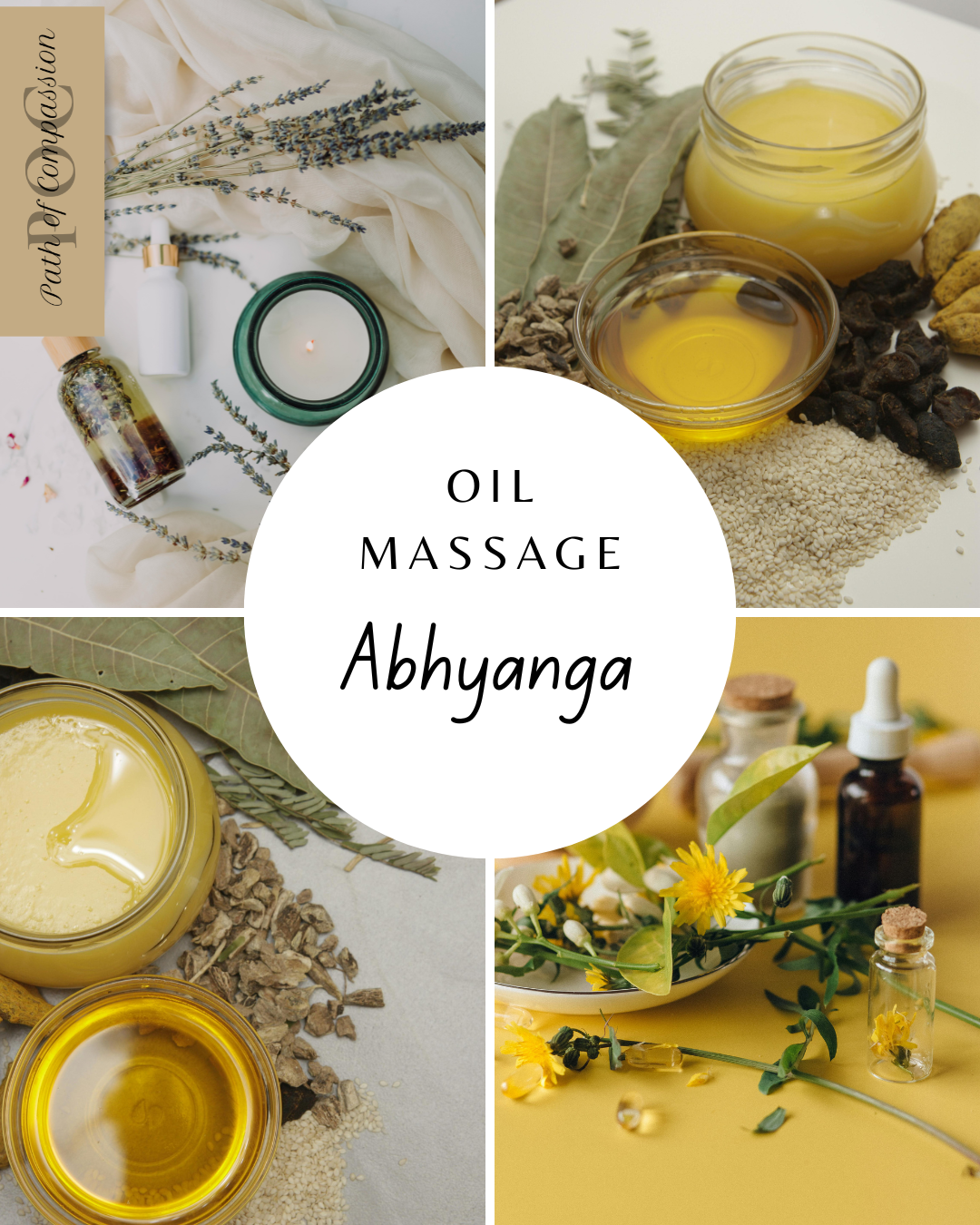

Abhyanga (self-massage) is a traditional Ayurvedic treatment that involves massaging the body with warm oils before showering to nourish the skin and calm the nervous system. It can be done regularly as part of a self-care routine. Especially during months when the air and skin feels drier. Sesame oil is typically suggested, but if it feels too heating, coconut oil can be used. Abhyanga promotes: Relaxation and stress reduction, improved circulation, nourished and moisturized skin, joint pain relief, flexibility, improved sleep.
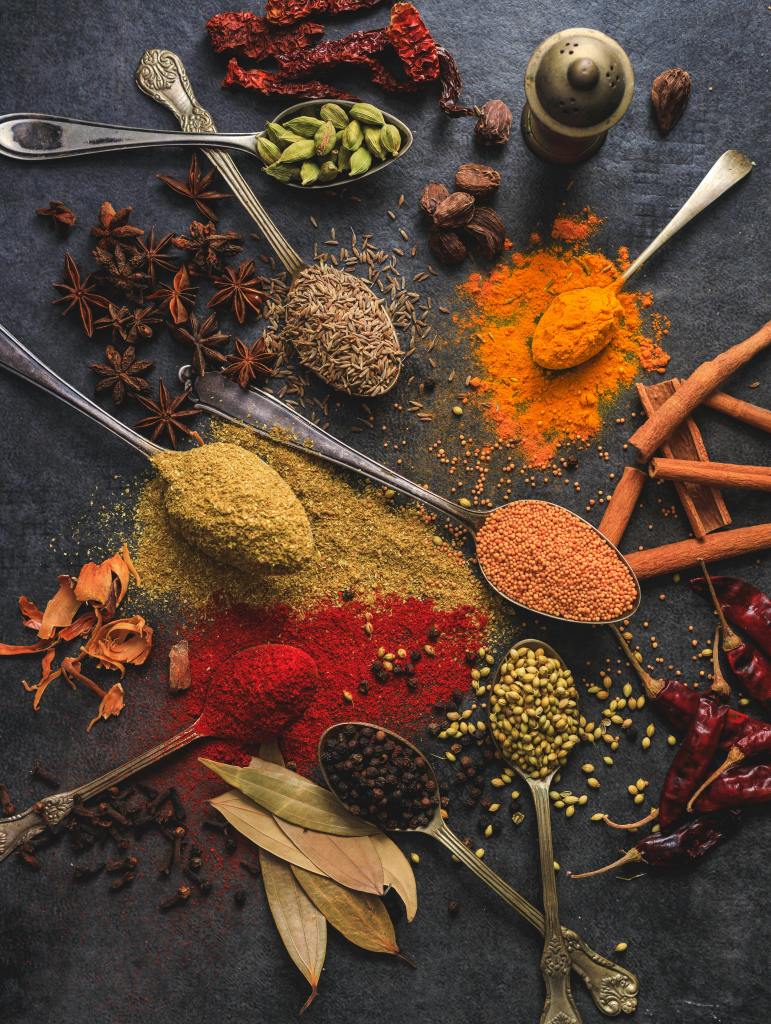
Herbal Remedies – The practice of using medicinal plants in Ayurveda dates back thousands of years and is detailed in ancient texts like the Charaka Samhita. Some well-known Ayurvedic herbs include: Turmeric (for inflammation), Licorice root (for its potential anti-inflammatory and antiviral properties), Ginger and cinnamon (digestive aids)
Hibiscus 🌺 provides cooling relief from the summer heat. According to Ayurveda, the taste is predominantly bitter and astringent, with a subtle sweet aftertaste. The hibiscus flower carries a soothing, purifying, and healing energy that makes it a powerful herbal support.
Ayurvedic seasonal rituals, or Ritucharya, involve adjusting your diet, lifestyle, and daily practices to harmonize with the changing seasons, aiming to maintain balance.



Pranayama is a collection of breathing practices developed by the ancient yogis for purification, mental focus rejuvenation, and healing.
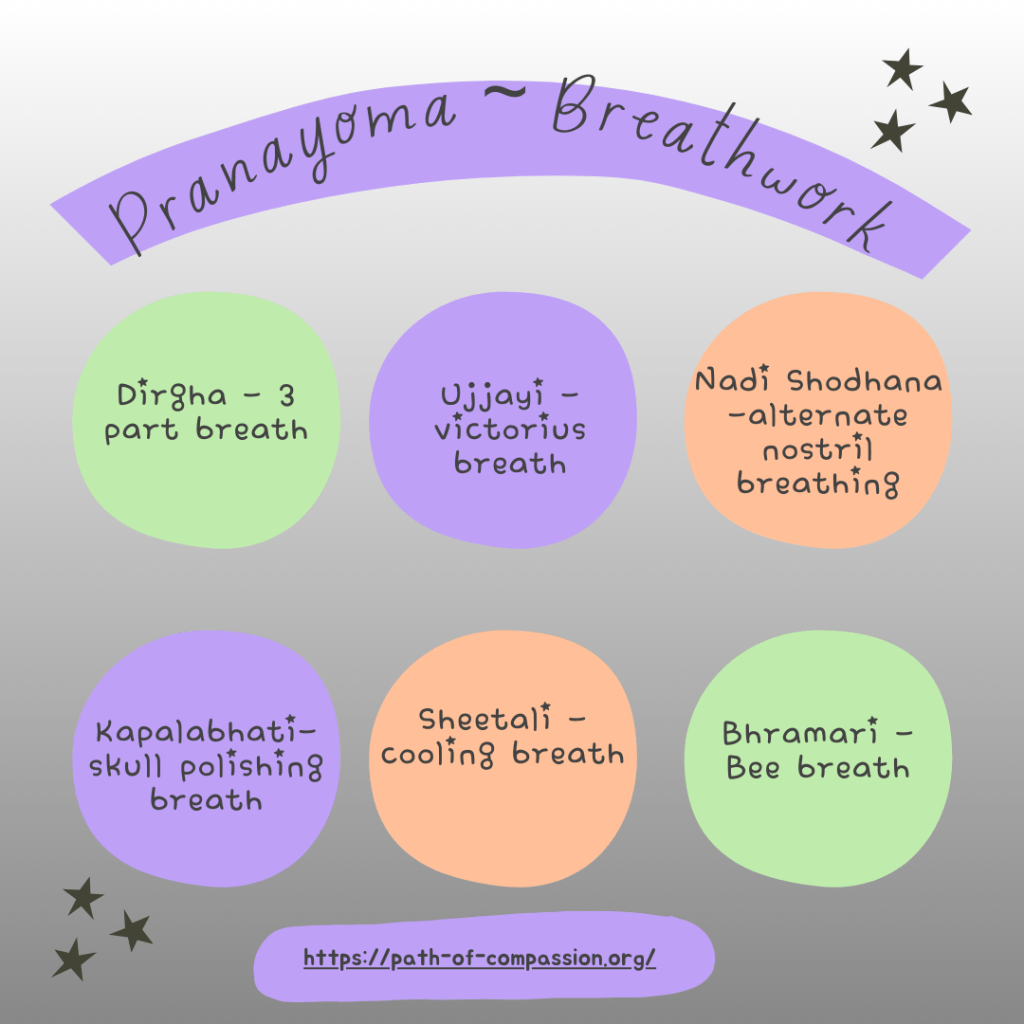
Prana translates into “life force energy,” and Yama translates to “control or mastery of.” Here are a few examples:
Dirgha (3-part breath) -bringing the breath into the three regions of the lungs. It relaxes the nervous system, reduces stress and anxiety, relieves insomnia.
Ujjayi (ocean sounding breath) – helps to overcome fatigue, stress and negativity. It can be used with asana practice to help feel calm & focused on the mat.
Nadi Shodhana (Alternate nostril breathing) -purifies energy channels (nadis) by breathing through alternating nostrils. It calms the mind, & enhances concentration.
Kapalabhati (skull shining breath) -advanced pranayama- consisting of short, powerful exhales and passive inhales. It is invigorating, warming, and helps to cleanse the respiratory system.
Sheetali (cooling breath) – inhaling through a rolled tongue, slows the breath, quiets the mind, calms the nervous system, and helps regulate internal heat.
Bhramari (bumblebee breath) a calming practice involving quiet, steady inhales, and a steady humming sound on each exhale. Gently raises energy, as opposed to breaths that are more grounding.
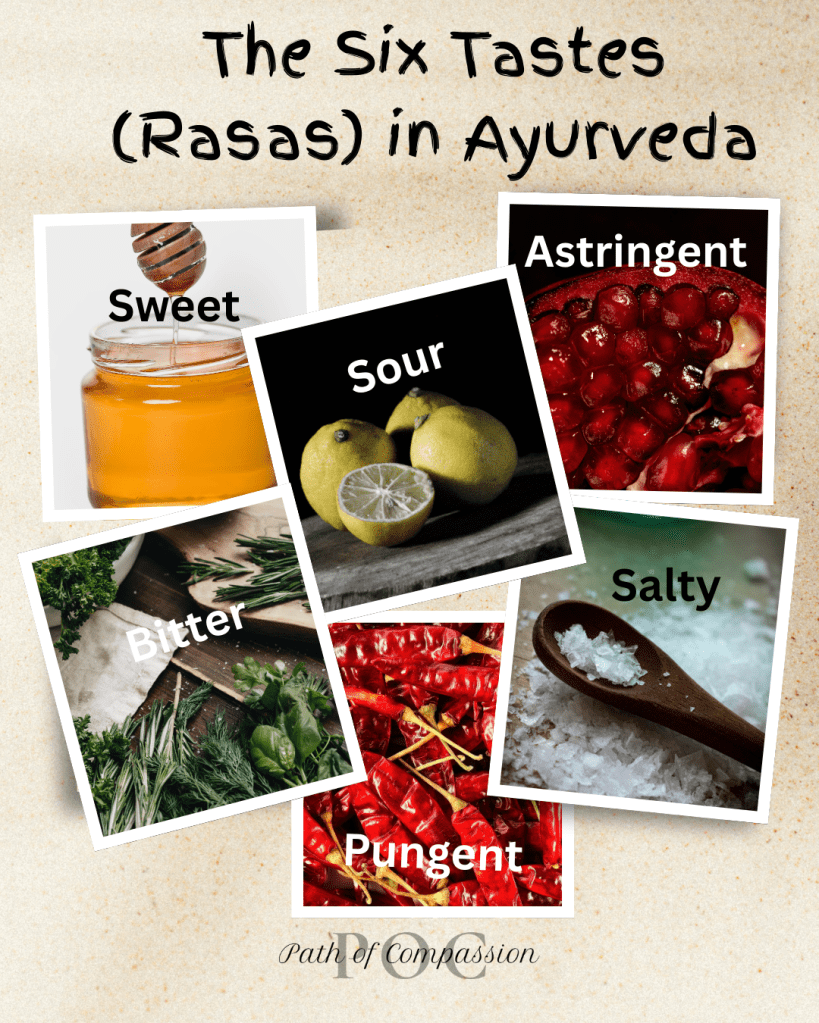
The six tastes (rasas) are fundamental for creating nutritious meals that balance the doshas. Including all six tastes reduces cravings, ensures complete satiety, optimal digestion, physical, mental, & spiritual nourishment.
RECIPES

CCF tea is an Ayurvedic digestive blend made from equal parts cumin, coriander, and fennel seeds. It’s known for its balancing effects and helps with digestion, bloating, and detoxification. It is especially good for gas from foods like broccoli, cabbage or beans. (click image for recipe)
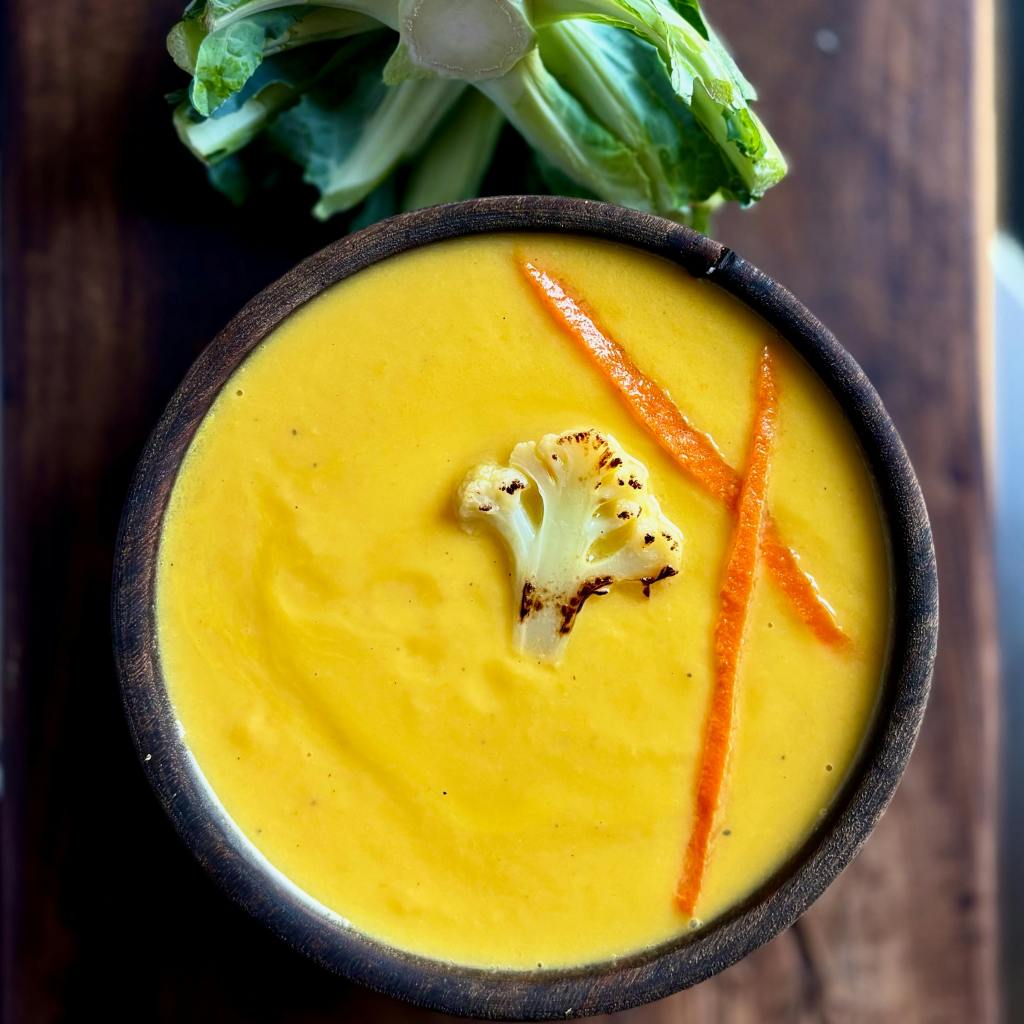
Root Vegetable Bisque (click image for recipe) – A warm comforting soup of root vegetables perfect for cold winter evenings. This Kripalu recipe comes from the Kaveri Datta Barros Ayurvedic Health Counselor & certified Kripalu 200-hour yoga instructor.

Ayur-Evening Treat (click image for recipe) from The Everyday Ayurveda Cookbook: A Seasonal Guide to Eating and Living Well Book by Kate O’Donnell Evening treat to rejuvenate for the cold winter season. ‘Almonds, dates, and digestive spices come together for an easy-to-digest sweet treat with health benefits.’
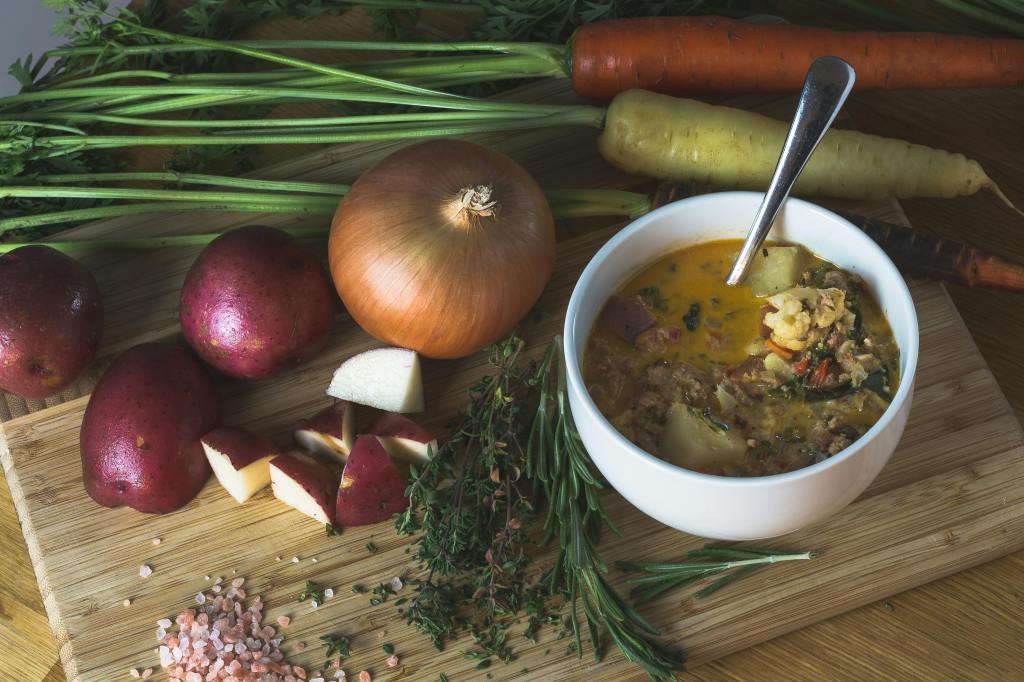
Kitchari (click image for recipe), is a traditional Ayurvedic dish typically made with mung dal (split mung beans) and white basmati rice, along with vegetables and spices to create a dish that helps balance all three doshas
 Path of Compassion, LLC